
Finding Where Water Enters, Then Fixing That Point
Chimney leak repair in Hillsborough for water intrusion traced to damaged flashing, crowns, brick joints, or flue walls
Water showing up inside a home near the fireplace or chimney wall is rarely explained by a single obvious failure—it is more often the result of one or two structural problems at the chimney exterior that have been allowing water entry for more than one season before interior evidence appears. Soot Solutions Chimney locates and repairs the actual source of chimney leaks in Hillsborough rather than treating the interior water stain as the problem. That distinction matters because a homeowner who patches drywall near the chimney without addressing the exterior entry point will see the damage return within the next several rain events.
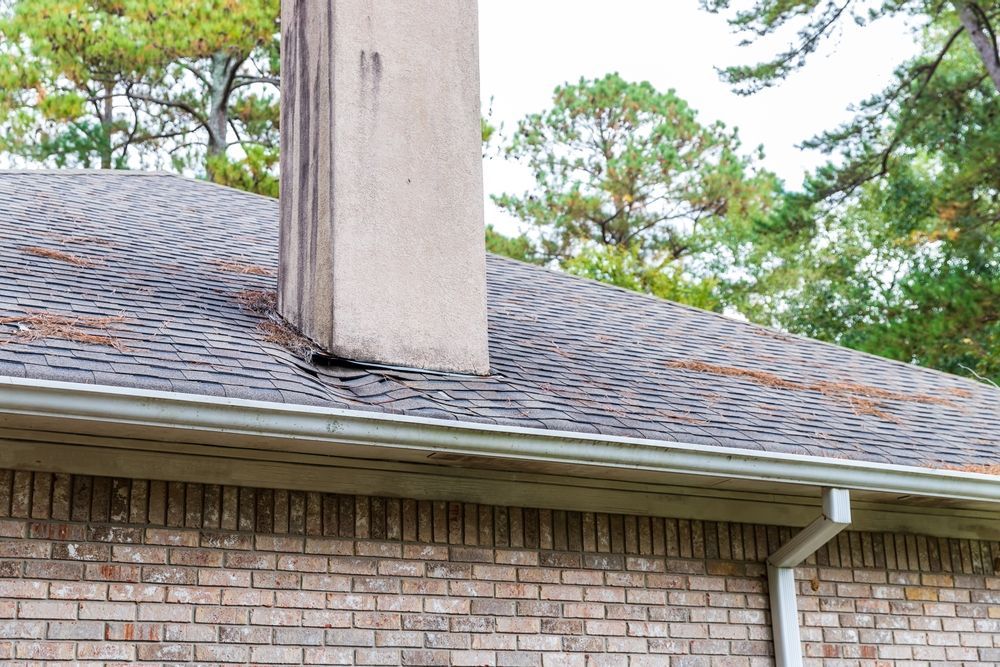
The diagnostic process starts with a camera inspection of the flue combined with an exterior assessment of the crown, flashing, mortar joints, and chimney wall face. These four components are the most common leak sources, and each produces a recognizable pattern: failed flashing allows water to track between the chimney and the roof deck; a cracked crown channels water into the brick below the roofline; deteriorated mortar joints allow lateral water absorption through the chimney wall itself; and a damaged flue liner can allow condensation and water to bypass the firebox and enter the chase or framing. Soot Solutions Chimney's owner brings seven years of chimney repair work and a masonry background to every leak diagnosis, which means the evaluation is focused on structural causes rather than surface appearances alone.
Set up a chimney leak inspection to locate the entry point before the next round of water exposure adds to the interior damage already present.
How Chimney Leak Sources Are Identified and Repaired
Flashing failure is the source of a significant share of chimney leaks, and it is also the most frequently misdiagnosed—homeowners and general contractors often attribute roofline water entry to the roofing material rather than the flashing that bridges the chimney and the roof deck. Correctly diagnosing flashing failure requires examining both the step flashing along the chimney sides and the counter flashing embedded in the mortar joints, because either can separate or corrode independently. When Soot Solutions Chimney identifies flashing as the source, the repair involves removing and replacing the failed sections rather than sealing over them with caulk, which is a temporary measure that adheres to two surfaces moving at different rates and typically opens within one to two seasons.
Once the exterior repair is completed—whether that is new flashing, repointed mortar joints, crown rebuilding, or brick replacement—the interior water staining stops growing and the masonry in the affected area begins to dry. You will notice that the damp or musty odor near the firebox diminishes as the moisture that saturated the brick dissipates, and that ceiling or wall staining near the chimney does not reappear after the next significant rainfall. The full scope of interior damage is identified and communicated during the inspection so you understand what structural repairs are needed beyond the cosmetic evidence visible at the surface.
Chimney leak repair sometimes involves more than one trade—masonry repairs at the chimney exterior, flashing replacement at the roof interface, and interior drywall or framing repairs if saturation has advanced to the point of structural impact. Soot Solutions Chimney handles the masonry and chimney components and identifies where other trades may need to be involved, so the scope is understood before work begins rather than discovered incrementally.
Questions Before Starting Your Chimney Leak Repair
The questions below address how chimney leaks are diagnosed, what the repair process involves at each potential source, and what you will be able to observe once the entry point has been correctly addressed
How does a camera inspection help locate the source of a chimney leak?
Inspecting the flue interior with a camera reveals liner cracks, gaps at section joints in prefabricated flues, and debris buildup that can hold moisture against the liner wall—conditions that are not visible from the firebox opening or from the exterior of the chimney.
What is the difference between repointing mortar joints and sealing the chimney exterior?
Repointing removes deteriorated mortar from the joint and replaces it with fresh mortar bonded to the brick faces on both sides, which restores the structural joint; applying a surface sealant over deteriorated mortar fills the surface visually but leaves the compromised joint beneath it absorbing water laterally through the remaining gaps.
Why does flashing failure sometimes appear to be a roofing problem rather than a chimney problem?
The water entry point at failed flashing is at the chimney-to-roof interface, but the water travels along the roof deck and framing before appearing at the ceiling, which means the visible stain inside the home may be several feet from the actual point of entry.
How do mortar joint repairs differ on older Hillsborough-area brick chimneys compared to newer construction?
Brick chimneys built before the 1960s were typically laid with softer lime-based mortar, and repointing with modern portland cement mortar—which is harder than the surrounding brick—can cause the brick face to spall as the harder mortar transfers stress into the softer masonry units rather than absorbing movement at the joint.
What should you check after a chimney leak repair to confirm the entry point has been addressed?
After the first significant rainfall following the repair, the interior areas that previously showed staining or moisture should remain dry, and any musty odor at the firebox should not return—if staining reappears, a secondary entry point that was not identified during the initial inspection may be present.
Soot Solutions Chimney diagnoses and repairs chimney leaks by identifying the structural source at the exterior rather than treating only what is visible inside the home. Soot Solutions Chimney also performs chimney leak repair in Bridgewater, Somerset, Princeton, North Plainfield, and Manville. Call (732) 688-7484 to schedule a leak inspection and camera evaluation of your flue and chimney exterior.