
Maintenance That Catches Problems Before They Escalate
Chimney maintenance in Hillsborough for fireplaces and heating systems showing wear, mortar loss, or years without documented service
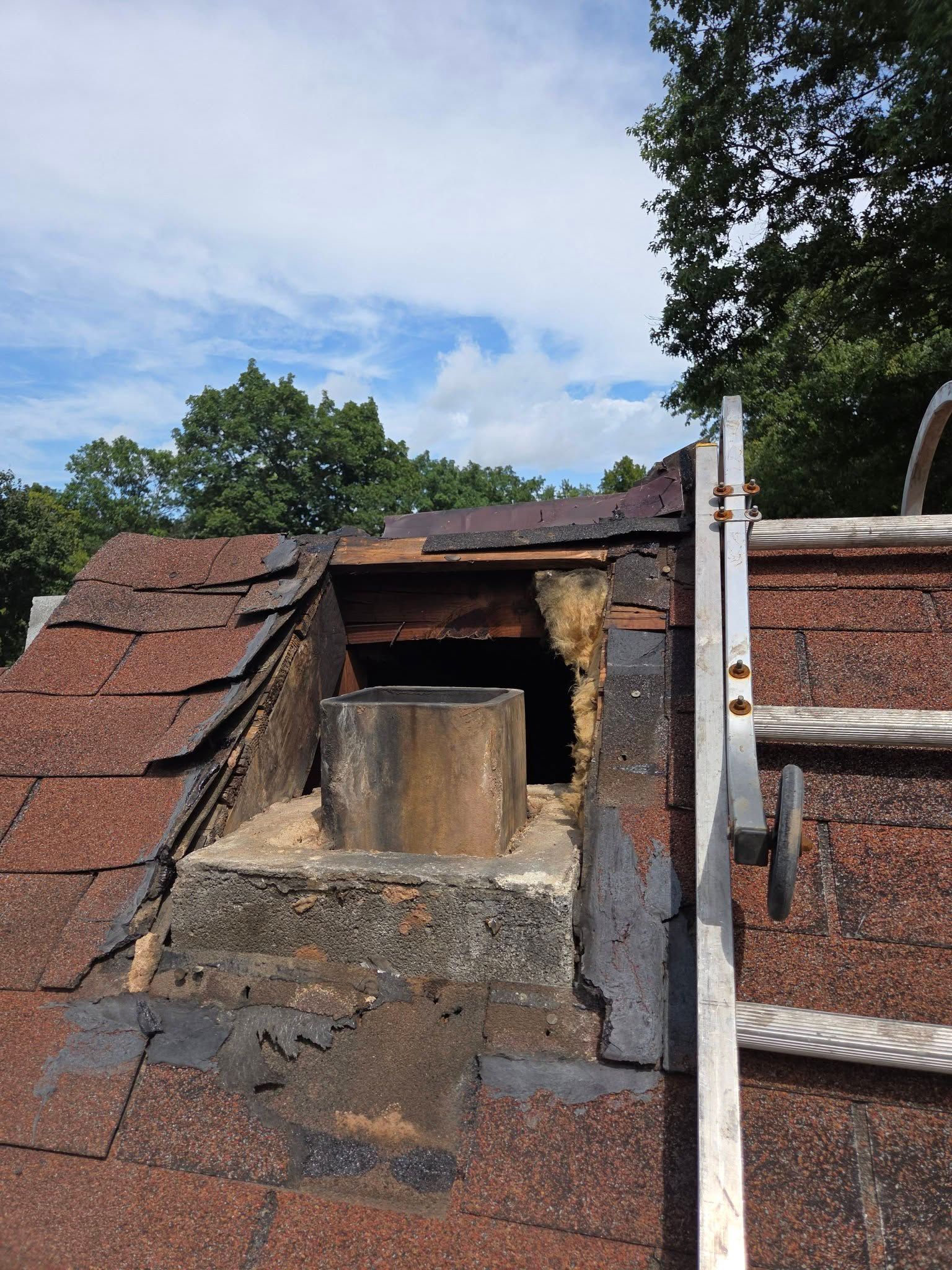
A chimney that has gone multiple heating seasons without a formal assessment accumulates more than creosote—tile joints deteriorate, mortar erodes from inside the flue, and small cracks in the crown or liner expand without ever producing a warning sign visible from inside the home. Soot Solutions Chimney provides seasonal chimney maintenance in Hillsborough that covers the full range of conditions affecting masonry chimneys and their connected heating systems. Family-owned and operated by a mason with seven years in the chimney trade, the business is built around identifying what is actually happening inside a flue rather than performing a surface-level cleaning and moving on.
Maintenance begins with a condition assessment of the chimney before any work starts—crown, cap, flashing, exterior masonry, and the firebox are reviewed to establish what is working and what is not. The sweep follows, clearing accumulated creosote and debris from the flue, after which the interior is inspected for cracks, missing mortar, or deteriorating tiles. If the inspection turns up issues that warrant repair, those findings are discussed with you before any additional work is scheduled. Maintenance is typically structured on an annual basis or timed around the start and end of the heating season depending on how heavily the system is used.
Arrange a maintenance visit to get a current condition report on your chimney and heating system before scheduling any repairs.
How Proper Chimney Maintenance Is Structured
Masonry chimneys in the Hillsborough and Warren areas often reflect construction standards from several decades back, when clay tile liners were the universal standard and mortar formulations were not always matched to the thermal expansion rates of the surrounding brick. That mismatch, compounded by years of heating cycles, produces interior joint failure that shows up as missing mortar, cracked tiles, and in some cases offset sections that create ledges where creosote accumulates faster than in an undamaged flue. Identifying those conditions during maintenance—rather than after a chimney fire—is the functional purpose of combining a sweep with a structured inspection.
After maintenance is complete, you will have a written record of what was found, what was cleared, and what, if anything, requires further work. Chimneys that were previously in documented good condition and have been used normally typically require only the sweep and inspection cycle. Those with identified issues get a specific account of where the deterioration is located and what repair approach applies to that condition.
Soot Solutions Chimney handles minor repairs identified during maintenance visits, which means the same person who performed the assessment is also the one who understands the scope of the repair. A mason reading deteriorating tile joints makes different decisions than someone without that background, particularly when the question is whether a liner repair or full relining is the appropriate next step.
Common Questions About This Service
The following questions address how chimney maintenance is actually performed and what the process involves for different property and system conditions.
What does a chimney maintenance visit include beyond sweeping?
The visit covers a condition assessment of the exterior masonry, crown, and cap; the interior sweep; and an inspection of the flue for cracked or deteriorating tiles, missing mortar at joints, and any obstructions.
How is a decision made about whether repairs are needed after the inspection?
Findings from the sweep and inspection are documented and reviewed with you before any repair work is discussed, so you have a clear account of what was found and where before deciding how to proceed.
What signs inside the firebox suggest a maintenance visit is overdue?
Heavy black staining on the firebox walls, visible creosote flaking onto the hearth, or a smoke smell in the room when the fireplace is not in use are observable indicators that the flue has not been maintained recently.
Why do clay tile liners in older Hillsborough masonry chimneys require closer attention during maintenance?
Clay tile joints are susceptible to mortar deterioration from repeated thermal cycling, and tiles installed in original coal-era construction were not always sized or positioned to the standards required for modern wood-burning appliances.
What is checked during the sweep itself that differs from just running a brush through the flue?
The technician monitors how the creosote is releasing—its density, the way it separates from the tile, and whether any sections of the flue resist clearing—which provides diagnostic information about liner condition before the visual inspection begins.
Soot Solutions Chimney also provides chimney maintenance in Bridgewater, Somerset, Princeton, North Plainfield, and Manville. Call (732) 688-7484 to set up a maintenance visit and receive a written assessment of your chimney's current condition.