
A Fireplace System Cleared From Firebox to Flue
Fireplace Cleaning in Hillsborough for fireplaces with accumulated ash, creosote, and unverified flue conditions
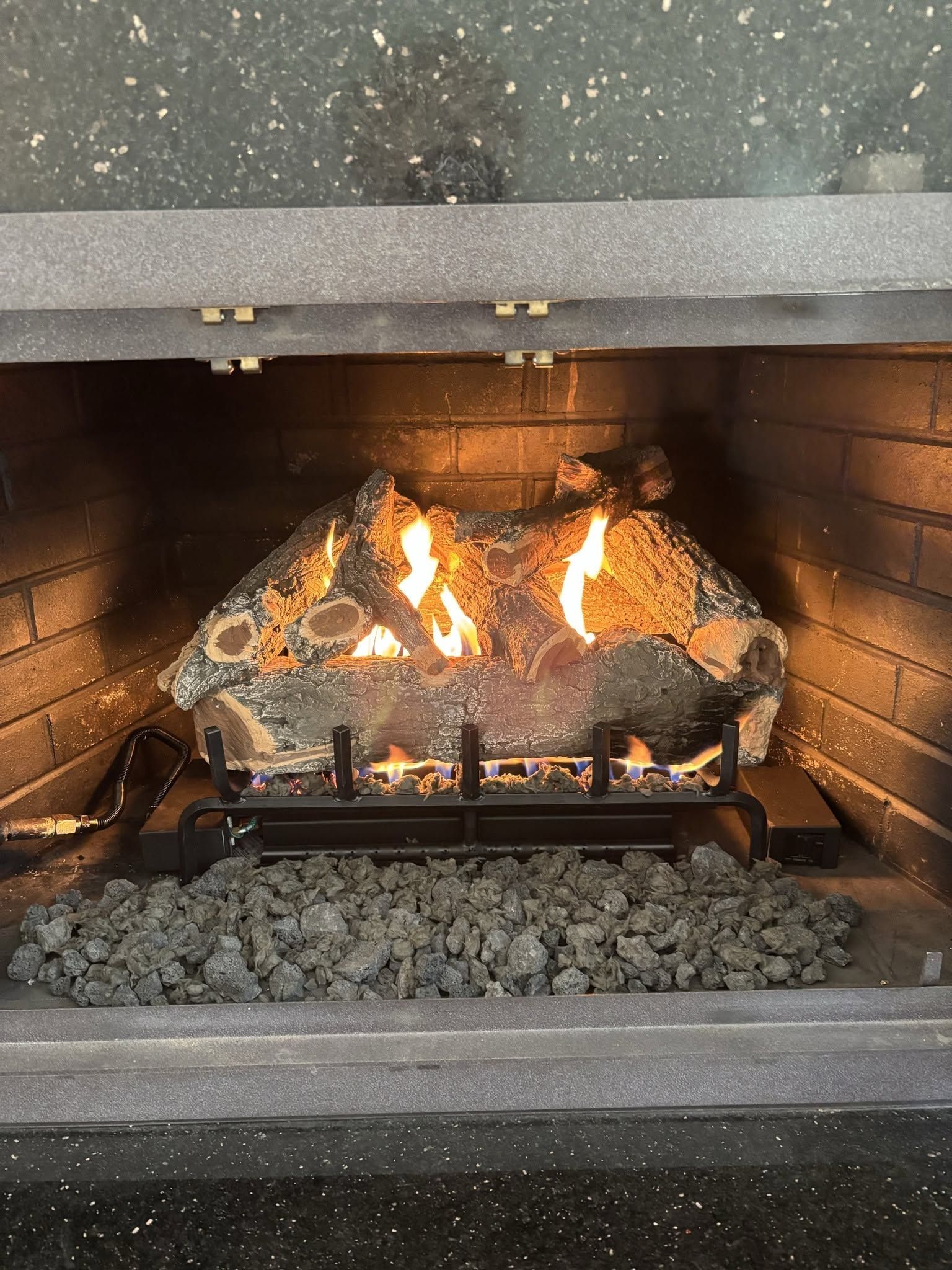
Ash accumulation in a firebox is visible and expected, but the creosote coating the throat and flue above it is not—and that distinction is exactly why fireplace cleaning requires more than scooping out the firebox. Soot Solutions Chimney in Hillsborough cleans fireplaces by addressing both: removing creosote, ash, and debris from the firebox and throat, then running a camera inspection through the flue to verify the system is clear before you light a fire. This is a family-owned, mason-operated business, which means the person doing the cleaning understands how the components of a fireplace system connect structurally and what a neglected or improperly built throat looks like when the camera reaches it.
The two-step approach—manual cleaning followed by camera verification—means you do not finish the appointment with a clean-looking firebox and an unexamined flue above it. The camera pass covers the throat, smoke chamber, and full flue length, capturing what the cleaning revealed and confirming nothing was left behind. You receive a written report detailing what was removed and what the camera documented about the chimney's interior condition at the time of service.
Set up a fireplace cleaning appointment with Soot Solutions Chimney to have both the firebox and the flue above it cleared and documented before your next fire.
What Proper Fireplace Cleaning Requires
Cleaning a fireplace correctly requires addressing three zones: the firebox floor and walls where ash and loose debris collect, the throat and damper area where creosote concentrates at the first narrowing of the system, and the flue above where deposit buildup happens over the full chimney height. The throat is the zone most commonly underserviced in a basic cleaning because it requires working above the firebox opening and assessing the damper's seating condition at the same time. Soot Solutions Chimney treats the throat as a distinct step in the process, not an incidental surface brushed on the way to the flue.
After the cleaning is complete, what changes is concrete: the firebox floor is clear, the throat is free of the tar-like deposits that restrict damper movement and reduce draft, and the camera report gives you a factual picture of the flue's interior condition rather than an assumption that it is clean because the firebox looks clean. Fires draw more consistently and the damper operates without the resistance that hardened creosote around the frame creates.
Fireplace cleaning at Soot Solutions Chimney includes the full system from the firebox floor to the top of the chimney—it is not limited to what is visible from a standing position in front of the hearth. Properties in the Bridgewater and Warren areas with older masonry fireplaces that have not had a camera inspection on record are treated as new-client jobs, meaning the camera runs as part of the standard service without an additional scheduling step.
Questions Before Starting Your Fireplace Cleaning
The following questions address how fireplace cleaning is performed, what the two-step process involves, and what the written report covers for homeowners scheduling this service.
What is removed during a professional fireplace cleaning, and from which areas?
Cleaning removes ash and debris from the firebox floor and walls, creosote deposits from the throat and damper frame, and soot and accumulated creosote from the smoke chamber and full flue length using brushes sized to the specific flue dimensions.
Why does the cleaning process include a camera inspection rather than relying on the sweep alone?
Brushing the flue removes material from the surfaces the brush contacts, but it cannot confirm whether tiles are intact, whether mortar joints are sound, or whether deposits remain in offset sections of the flue—the camera documents what the cleaning revealed and what the interior liner condition looks like after the sweep is finished.
How does the throat area affect fireplace performance, and why is it treated as a separate step?
The throat is the first narrowing point above the firebox and the zone where creosote concentrates most heavily; hardened deposits here restrict damper travel and reduce the draft opening, causing fires to draw sluggishly or smoke to push back into the room, and those conditions do not resolve until the throat is cleaned specifically.
What does the written report include after fireplace cleaning is complete?
The report documents what was removed from each zone of the system, the camera footage findings for the flue interior, the current condition of the damper and throat, and any repair recommendations—giving you a dated, specific record of the system's condition at the time of service.
How do older masonry fireplaces in this area typically differ from newer prefabricated units in terms of what the cleaning covers?
Older masonry fireplaces have hand-laid fireboxes and clay tile flues with variable joint spacing and occasional offset sections built to accommodate the home's structure, which means deposit patterns and tile condition vary more than in factory-built units and require the camera documentation to assess accurately.
Soot Solutions Chimney also performs fireplace cleaning in Bridgewater, Somerset, Princeton, North Plainfield, and Manville. To arrange a full fireplace cleaning with written documentation of what the camera shows, call Soot Solutions Chimney at (732) 688-7484.