
Liner Sizing Driven by Appliance Specs, Not Estimates
Chimney liner installation in Hillsborough for masonry flues that are undersized, damaged, or missing liner protection entirely
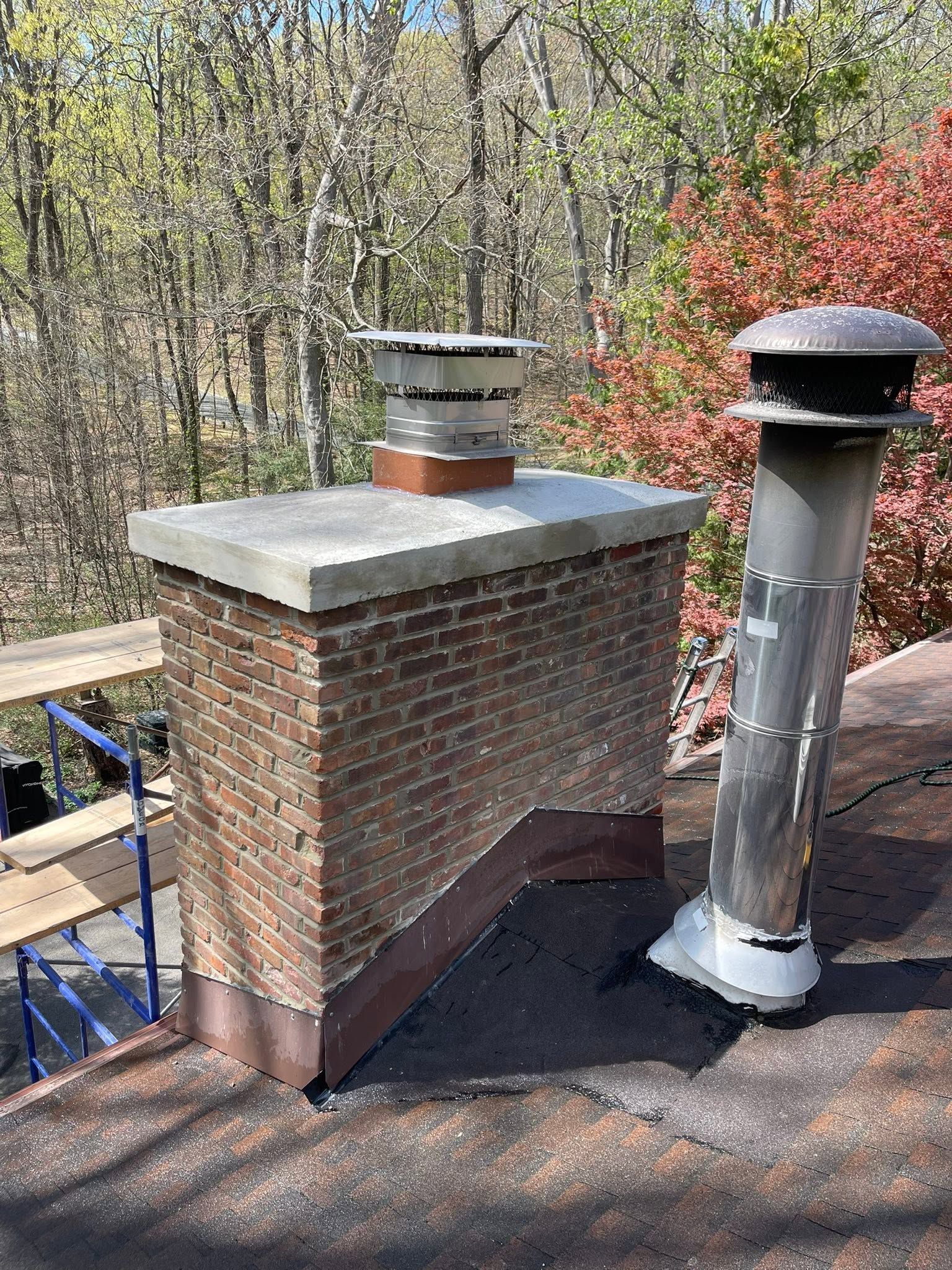
The clay tile flues running through Hillsborough's older masonry chimneys were sized for coal-era appliances, and when a modern stove insert is connected to one of those flues, the interior dimensions frequently do not match what the appliance requires to draft correctly. Soot Solutions Chimney sizes and installs chimney liners in Hillsborough based on the actual output specifications of the connected appliance—not visual estimates of the existing flue. When the existing clay tiles are too small to accommodate the correct liner diameter, they are broken out to make room rather than forcing an undersized liner into the flue and calling it done.
Every liner installation begins with a camera pass through the flue to establish exactly what is present before any work starts—tile condition, interior dimensions, offset sections, and joint integrity are all documented before sizing decisions are made. The liner itself is installed in sections, secured at each joint, and sealed at both the appliance connection at the bottom and the chimney cap at the top. You receive written documentation of the liner type and diameter installed, which becomes part of the property's chimney record and is referenced for any future maintenance or inspection work.
Arrange a flue camera assessment to determine whether your existing chimney can accept a liner or requires tile removal before installation begins.
What Correct Liner Installation Actually Requires
Liner sizing is not a matter of choosing the largest liner that fits the existing opening. The appliance manufacturer specifies a flue cross-sectional area based on combustion output, and installing a liner that is either too small or too large relative to that specification creates draft problems that show up as smoke rollout, poor combustion, or rapid creosote accumulation. When tile removal is required to reach the correct diameter, the tiles are broken out from the top down in controlled sections, the debris is cleared, and the flue cavity is prepared before the liner is dropped. That process requires masonry knowledge—understanding which tiles can be removed without compromising the structural chimney stack is not a judgment call that belongs to someone without that background.
After the liner installation is complete, the observable changes are straightforward: the appliance draws consistently at the damper settings the manufacturer specifies, combustion gas temperatures remain within the liner's rated range, and the sealed path from appliance to cap eliminates the contact between combustion gases and surrounding masonry. Soot Solutions Chimney's documentation of liner type and size means any future inspection or maintenance visit has a baseline to work from.
For Hillsborough properties with Piscataway-area construction patterns—including multi-flue chimneys where individual flues serve different appliances—liner installation requires confirming which flue corresponds to which appliance before any camera work or tile removal begins. Misidentifying flues in a multi-flue chase is a sequencing error that adds significant rework, and the camera pass at the start of every installation is partly designed to prevent exactly that.
What Property Owners Ask About the Work
The following questions address the liner installation process specifically—what is assessed before the work begins, how decisions are made during installation, and what the finished installation includes.
How is the correct liner diameter determined for a specific appliance?
The liner is sized from the appliance manufacturer's specifications, which state the required flue cross-sectional area for proper draft—those figures, not the existing flue dimensions, drive the sizing decision.
What does the pre-installation camera inspection reveal that affects how the job proceeds?
The camera documents tile condition, interior diameter at multiple points, offset sections that affect liner routing, and any existing damage that must be addressed before the liner is installed.
Why are clay tiles broken out rather than working around them when they are undersized?
Forcing a liner into a flue that cannot accommodate the required diameter creates restriction points that cause draft failure and accelerate creosote buildup at the points of contact—the liner must fit cleanly through its full length to perform as specified.
What makes liner installation in older Hillsborough masonry chimneys more involved than in newer construction?
Clay tile flues from earlier construction eras were not built to consistent interior dimensions, and decades of thermal cycling cause tiles to shift or crack in ways that affect liner routing—the camera pass and masonry assessment at the start of the job account for those conditions.
What documentation is provided after a liner installation is complete?
You receive a written record of the liner manufacturer, material type, and diameter installed, along with the camera documentation from before the installation that established baseline flue conditions.
Soot Solutions Chimney also installs chimney liners in Bridgewater, Somerset, Princeton, North Plainfield, and Manville. To schedule a camera assessment and liner sizing consultation, call (732) 688-7484 with your appliance make and model available so sizing can begin from the correct specifications.