
Masonry Protected Before Water Absorption Begins
Chimney waterproofing in Hillsborough for brick and mortar chimneys showing signs of moisture absorption or surface deterioration
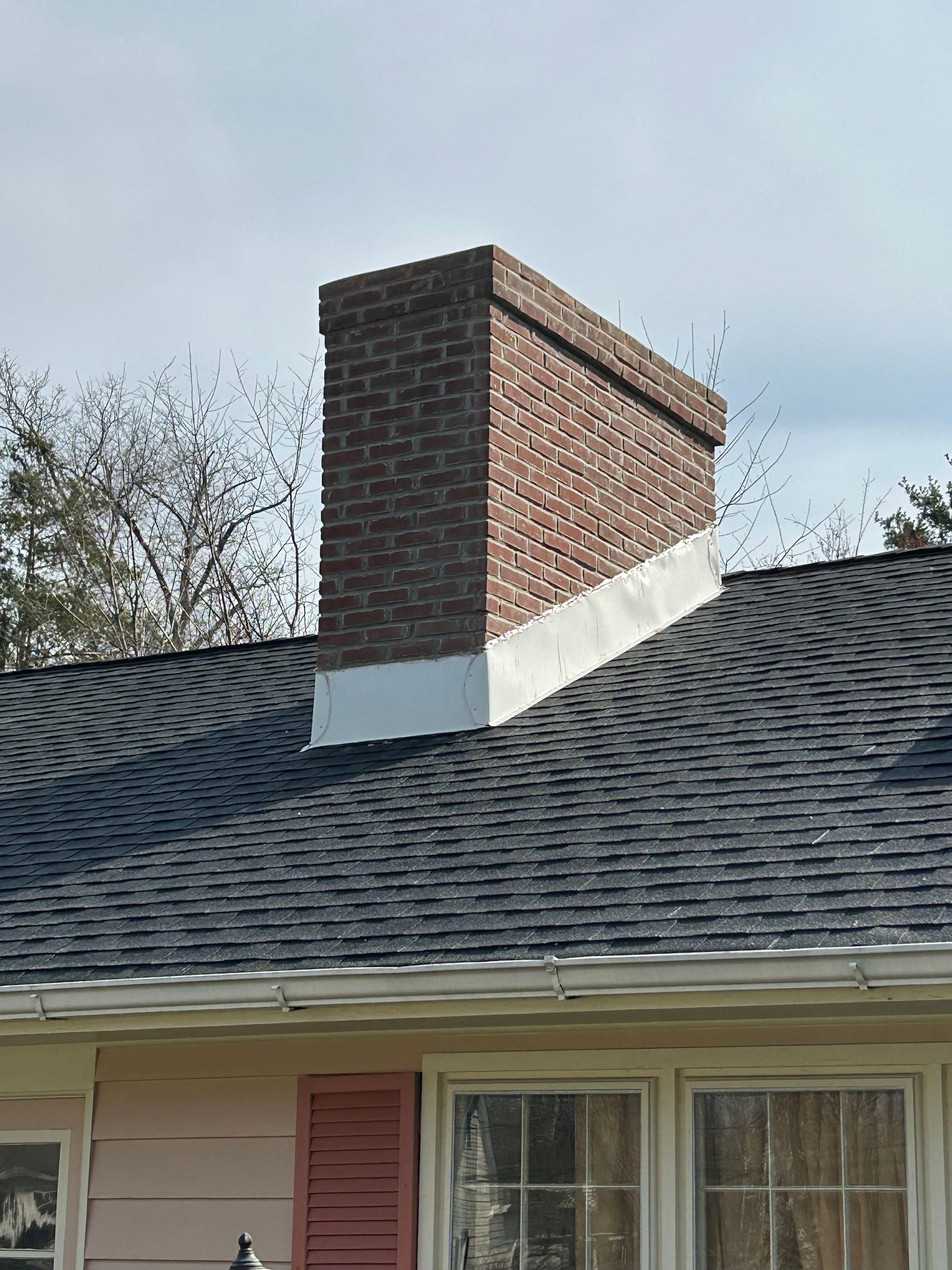
Brick and mortar are porous materials by nature—they do not repel water without treatment, they absorb it. Masonry chimneys on older homes in Hillsborough, particularly those on colonial and cape-style construction common throughout the township, are exposed to sustained moisture contact on their exterior faces above the roofline where no overhang or cladding provides any barrier. Without waterproofing, brick absorbs water during rain events and releases it slowly as the surface dries, a cycle that gradually breaks down the mortar joints and the brick face itself. Soot Solutions Chimney applies professional-grade waterproofing to masonry chimneys in Hillsborough to interrupt that absorption cycle before it progresses to joint deterioration, spalling brick, or interior leaks that require structural repair.
The application process begins with cleaning the chimney exterior to remove debris, biological growth, and any loose material that would prevent the sealant from bonding to the masonry surface. Soot Solutions Chimney then applies a breathable waterproofing sealant to the full exterior of the chimney above the roofline—the coverage area that is most exposed and least protected by surrounding structure. The breathable formulation is a critical distinction: a film-forming sealant that traps moisture inside the masonry causes the same deterioration it is meant to prevent, because water vapor from the interior of the chimney cannot escape and pressure builds behind the sealed face. A correctly selected penetrating sealant repels liquid water from the outside while allowing vapor to move outward through the masonry, which is how older brick stays structurally intact rather than spalling from internal pressure.
Request a chimney exterior assessment to determine the current condition of the brick and mortar before waterproofing is applied and to identify any repairs that should be completed first.
What Waterproofing Accomplishes on Older Masonry Chimneys
Soot Solutions Chimney's owner approaches waterproofing with a mason's understanding of how masonry absorbs and sheds water—a background that affects both the product selected and how application is staged. If mortar joints show deterioration before the sealant goes on, those joints are addressed first, because waterproofing applied over compromised mortar seals water pathways into the chimney rather than keeping water out. The inspection that precedes application is not a sales step; it determines whether the chimney is in a condition where waterproofing will actually work as intended or whether structural repairs need to happen first to make the sealant effective.
After waterproofing is applied and fully cured, the surface appearance of the brick changes subtly—the face typically shows slightly less color variation after rainfall because water is no longer absorbing into the surface and darkening the brick as it saturates. Over a longer period, the mortar joints retain their profile rather than washing progressively shallower, which is one of the clearest observable indicators that moisture absorption has been reduced. Homeowners in the Warren Township area with older fieldstone chimneys that have been repointed can extend the life of fresh mortar substantially by waterproofing the exterior after repointing is complete, rather than leaving new mortar exposed to the same absorption cycles that degraded the original.
Waterproofing is a protective application, not a structural repair—it slows deterioration in masonry that is otherwise sound, but it does not reverse damage already done to brick faces or eroded mortar joints. Applying it at the right point in a chimney's condition cycle, before significant joint loss or brick spalling has occurred, is what makes the investment in the service effective over a multi-year protection window rather than functioning as a cosmetic treatment applied too late to change the outcome.
Common Questions About the Waterproofing Process
The following questions address how chimney waterproofing is applied, what preparation the work requires, and what distinguishes a correctly selected sealant from one that can cause additional damage to masonry.
Why does chimney waterproofing require a breathable sealant rather than a standard masonry sealer?
Chimneys generate water vapor from combustion that must be able to exit through the masonry—a film-forming sealer traps that vapor inside the brick, building pressure behind the surface that causes spalling and accelerates the deterioration it was meant to stop.
What preparation does the chimney exterior need before waterproofing can be applied?
The surface must be clean and dry, with biological growth removed and any loose mortar or deteriorated brick faces addressed, so the sealant can bond to sound masonry rather than to a compromised layer that will separate from the substrate beneath it.
How does a mason evaluate whether a chimney needs repairs before waterproofing or can be waterproofed directly?
Joint depth is the key indicator—mortar joints that have eroded more than a quarter inch below the brick face are allowing lateral water entry that the sealant alone cannot address, making repointing the necessary first step before the waterproofing application.
What coverage area does chimney waterproofing include, and what is left untreated?
The sealant is applied to the full chimney exterior above the roofline—the surface most exposed to direct moisture contact—while the crown, flashing, and cap are separate components addressed by their own repairs or replacements rather than by the waterproofing application.
How can you tell after application that the waterproofing is working as intended?
During rainfall, the brick surface should bead water rather than darken uniformly, and the mortar joints should show the same behavior—water running across the face rather than absorbing into it is the most straightforward visual confirmation that the sealant is functioning correctly.
Soot Solutions Chimney applies chimney waterproofing as part of a complete exterior assessment so the sealant goes on masonry that is properly prepared and in the condition where waterproofing will extend its service life rather than mask existing damage. Soot Solutions Chimney also applies chimney waterproofing in Bridgewater, Somerset, Princeton, North Plainfield, and Manville. Call (732) 688-7484 to arrange a chimney exterior evaluation and discuss whether waterproofing is the appropriate next step for your chimney's current condition.